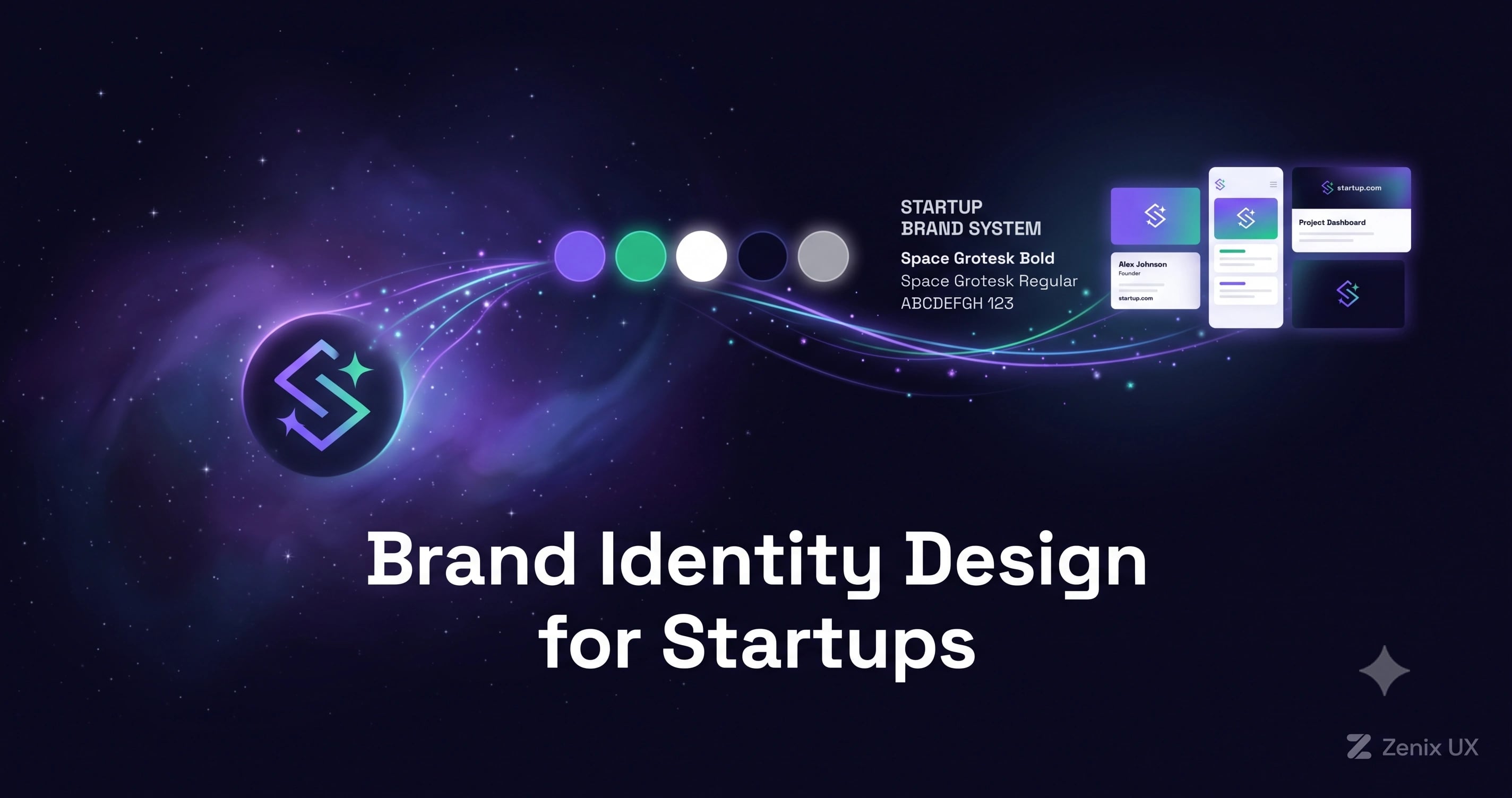
Brand Identity Design for Startups: Build a Brand That Scales
By Zenix UX · September 22, 2026 · 9 min read
A lot of early-stage founders treat branding as "get a logo made" and move on. That's understandable when funding is tight and there's a product to ship — but a logo without a system behind it tends to crack under pressure the moment the company needs a pitch deck, a hiring page, and a product UI to all feel like the same company at once.
Why Startups Need Brand Systems, Not Just Logos
A brand system is the set of rules — color, type, imagery, tone — that lets anyone on your team produce something on-brand without asking a designer every time. Without it, every new hire who touches a slide deck or a social post makes their own visual decisions, and the brand drifts a little more with each one.
Logo Design Principles: Simplicity, Memorability, Scalability
A good startup logo needs to work as a 16-pixel favicon and a conference banner without losing legibility at either extreme. That constraint alone rules out most overly detailed marks — simplicity isn't a stylistic preference here, it's a functional requirement for a brand that will appear at dramatically different scales from day one.
Color System: Choosing a Palette That Works Everywhere
A real color system is more than a primary brand color — it needs semantic colors for success and error states in your product, a way to express hierarchy, and enough range to avoid looking flat across a website, a deck, and a mobile app. Testing the palette across screen and print early avoids an unpleasant surprise when a color that looks great on a monitor turns muddy on a printed card.
Typography: Pairing Fonts for Digital Products
Most strong startup identities run on two typefaces — a distinctive display face for headlines and brand moments, and a highly legible workhorse for body text and product UI. Picking a display face that's expressive everywhere and a body face that's boring in exactly the right way (invisible, readable, fast) tends to outperform one font trying to do both jobs.
Brand Guidelines: The Playbook Your Team Needs
Guidelines don't need to be a hundred-page document — a clear, concise reference covering logo usage, color values, type pairing, and a handful of do/don't examples is usually enough to keep a small team consistent. We built exactly this scope of guidelines for REGES Resort, giving a non-design team a playbook they could apply themselves without ongoing agency dependency.
Design Tokens: Connecting Brand to Product UI
For startups building software, the brand's color and type values should live as design tokens that feed directly into the product's UI, not as a separate set of decisions the product team reinvents. This is what keeps your marketing site, your app, and your pitch deck all reading as the same company rather than three loosely related ones.
When to Rebrand vs. Evolve
Full rebrands are expensive and risky — you're spending equity you've already built in market recognition. Most growing startups are better served by evolution: refining the existing mark, expanding the system, tightening what's inconsistent — reserving a full rebrand for genuine strategic pivots, not just founder fatigue with a logo they've stared at for two years. A campaign identity like Electric Scooter's social system shows how far a consistent visual language can stretch without touching the core brand at all.
Getting Started
If your brand currently lives entirely in one founder's head, or in a single Figma file nobody else can access, that's the moment to invest in a real system — before the inconsistency compounds across a growing team. We build brand identity systems sized appropriately for early-stage companies; get in touch if that's where you are.
Need help with your brand identity?
Let’s talkRelated projects
See it in practice
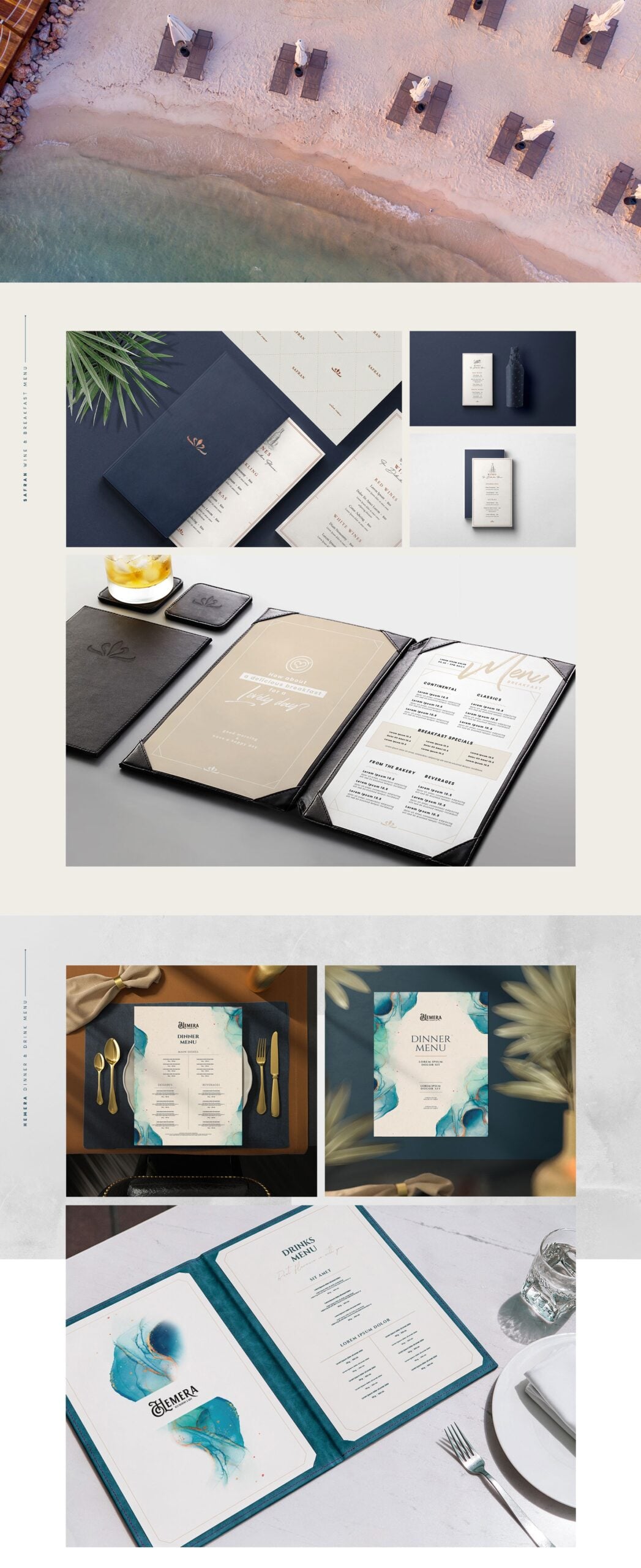
Hotel & Resort · Brand Identity
REGES Resort & Spa Çeşme — Branding Concept
A premium branding concept for a luxury resort and spa in Çeşme, Turkey — sophisticated, warm, and unmistakably high-end.
View case study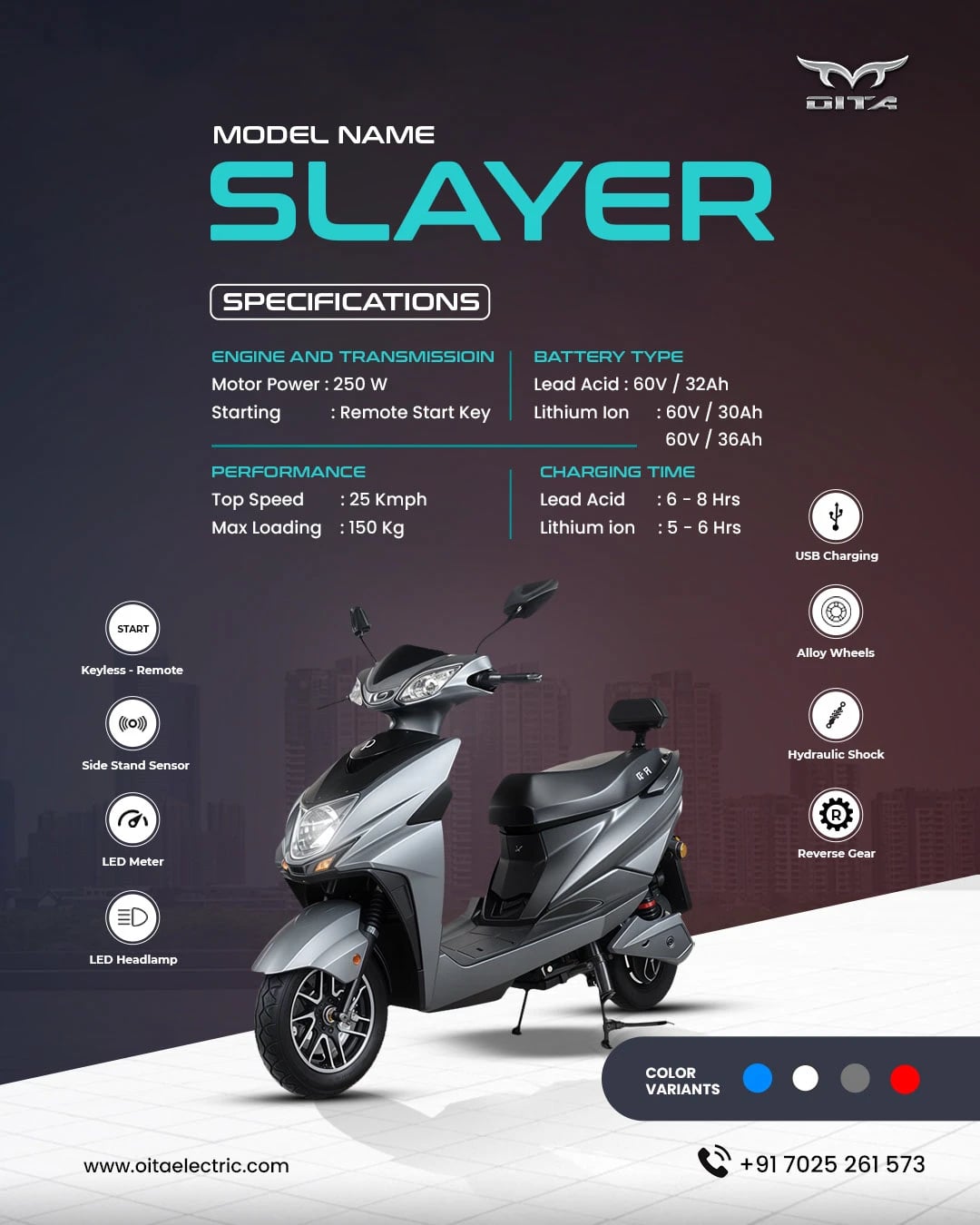
Consumer Tech · Social Media Design
Electric Scooter — Social Media Campaign
Eye-catching social media creatives for an electric scooter brand — designed to stop the scroll and drive engagement across Instagram and Facebook.
View case studyMore articles
Keep reading

The UI/UX Design Process Explained: From Research to Launch
What actually happens when you hire a design agency? Here's our 4-phase process, demystified — so you know exactly what to expect.
SaaS Dashboard Design: How to Reduce Churn Through Better UX
Your SaaS dashboard is where retention is won or lost. Here's how to design dashboards that keep users coming back.
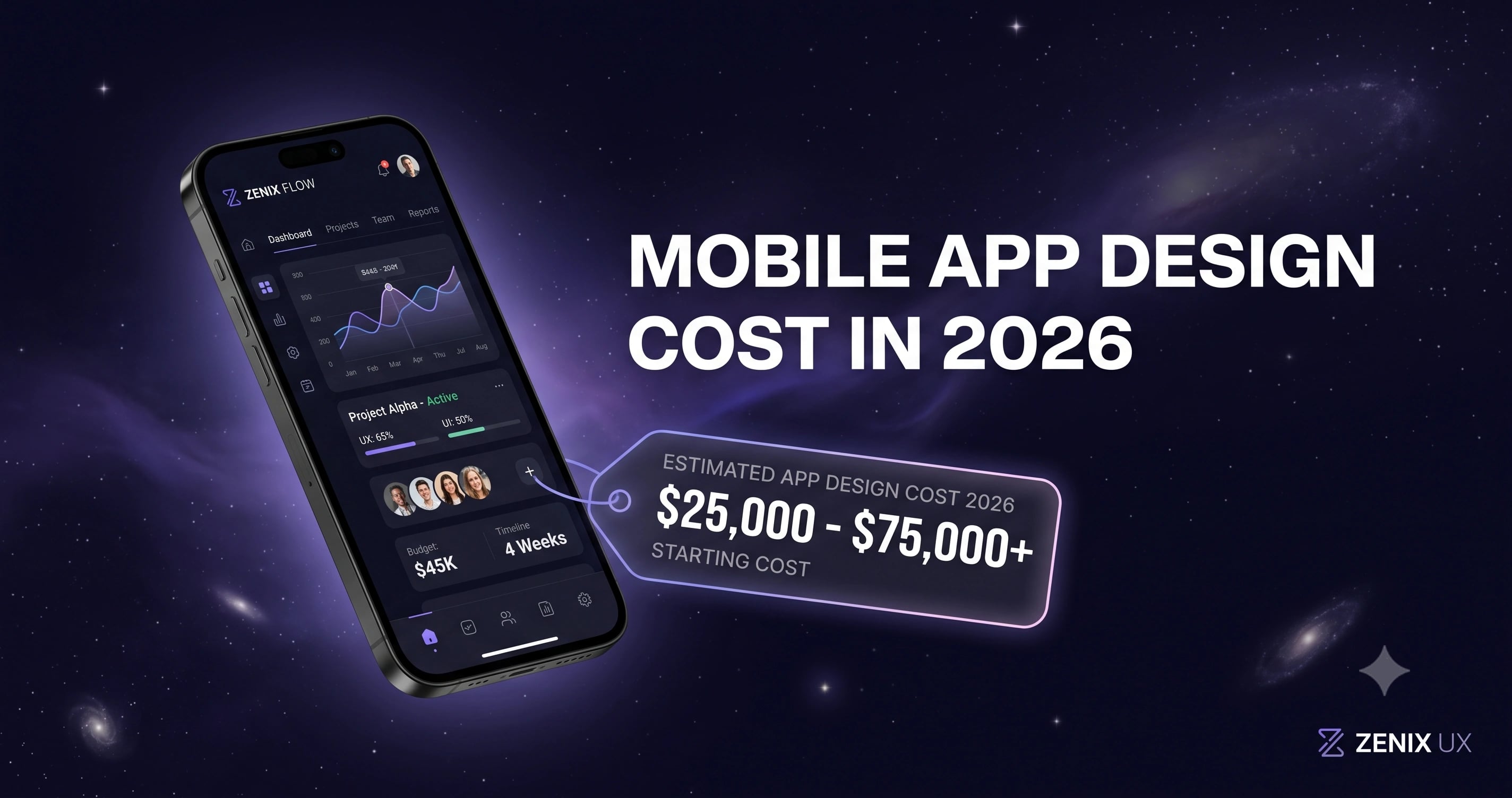
Mobile App Design Cost in 2026: What You'll Actually Pay
Planning a mobile app? Here's what design costs from $2,800 to $31,900+ depending on complexity — with real numbers, not vague ranges.

Written by Zenix UX
A Canada-based UI/UX design & web-development studio building for iGaming, fintech, and product teams across Europe and beyond.